

Department of Transportation Finalizes Rollback of Corporate Average Fuel Economy (CAFE) Standards for Passenger Cars and Light Trucks
On September 28, 2026, the National Highway Traffic Safety Administration (NHTSA) finalized its Corporate Average Fuel Economy (CAFE) standards for passenger cars and light trucks sold in the United States for model years (MYs) 2022–2031. The final rule represents one of the most significant deregulatory actions of the second Trump administration.


EPA Proposes Two-Year Delay of Biden-Era Vehicle Emissions Standards
On May 14, 2026, the U.S. Environmental Protection Agency (EPA) announced that it is reconsidering the criteria pollutant standards for new light- and medium-duty vehicles. The first phase of EPA’s proposal would push back the phase-in schedule of the “Tier 4” criteria pollutant standards from model year 2027 to model year 2029, giving automakers two additional model years to comply with the existing Tier 3 framework before the more stringent requirements begin to apply—and giving EPA time to conduct a second rulemaking to amend the Tier 4 emissions standards.


Washington State Allows Direct Sales of Electric Vehicles
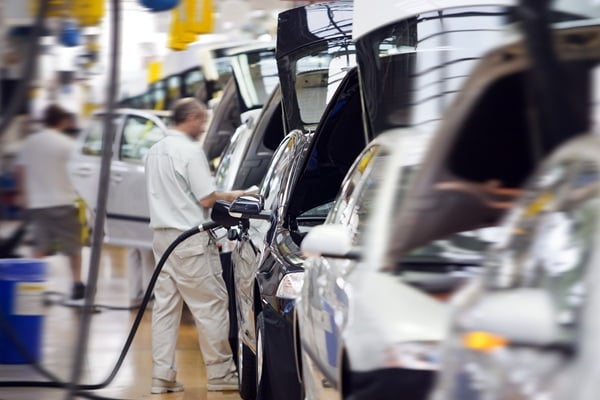
A new statute in Washington state allows certain manufacturers of electric vehicles to sell their vehicles directly to consumers, rather than through independent dealers. The law, passed as SB 6354, makes a meaningful change to the state’s automotive dealer-franchise framework through a carefully crafted exception. It allows a manufacturer to own, operate, or control a dealership selling its own vehicles and further allows the manufacturer to offer related financing, leasing, and servicing.

Department of Transportation Proposes Dramatic Rollback of Corporate Average Fuel Economy (CAFE) Standards
On December 3, in connection with a highly publicized announcement in the Oval Office and a statement from the White House, the Department of Transportation proposed a rulemaking that would reset Corporate Average Fuel Economy (CAFE) standards for passenger cars and light trucks sold in the United States for model years 2022-2031. Along with Congress’s recent elimination of civil penalties for CAFE noncompliance, the proposal would roll back more stringent fuel economy targets set in previous Administrations—including the first Trump Administration. The proposed changes have significant implications for, among other things, the electric vehicle market.
Congress Eliminates Corporate Average Fuel Economy (CAFE) Penalties for Passenger Cars and Light Trucks
In one of its many changes, the One Big Beautiful Bill Act, enacted on July 4, 2025, eliminated civil penalties for noncompliance with federal fuel economy standards. Specifically, Section 40006 of the Act amends the language of the Corporate Average Fuel Economy (CAFE) statute to reset the maximum civil penalty to $0.00. Although the statute and its implementing regulations otherwise remain in place, this amendment removes any civil penalties for producing passenger cars and light trucks that do not meet fuel economy requirements.

Department of Transportation Announces a Streamlined Regulatory Exemption Process for Autonomous Vehicles
On June 13, the U.S. Department of Transportation (DOT) and the National Highway Traffic Safety Administration (NHTSA) announced changes to the process for exempting autonomous vehicle companies from the Federal Motor Vehicle Safety Standards (FMVSS) under 49 C.F.R. Part 555. Part 555 offers an important route for the sale and deployment of innovative autonomous vehicles. The recent announcement evidences a desire to speed up agency decisions on Part 555 exemptions, though the application process will continue to be a substantial undertaking.
Top 5 Environmental Actions You Should Know from President Trump’s First Day
On January 20, 2025, President Trump began his second term with the signing of 26 executive orders (EOs), which included the recission of almost 80 EOs of the previous administration. Trump’s orders contain both repeals of key Biden Administration policies and calls to agency action to reassess treatment of major environmental issues associated with motor vehicles, energy development, and climate change. Here are the top five actions to know from President Trump’s first day as the new administration begins its reshaping of U.S. environmental policy for his second term in office.


17 States File Complaint Challenging Constitutionality of California’s Advanced Clean Fleets Regulation
On May 13, 2024, 17 states filed a complaint in the U.S. District Court for the Eastern District of California challenging California’s Advanced Clean Fleets (ACF) regulation.




The Newest Phase of EPA’s Greenhouse Gas Emissions Standards: Phase 3
On March 29, 2024, the U.S. Environmental Protection Agency (EPA) announced its most recent national greenhouse gas (GHG) pollution standards for heavy-duty (HD) vehicles, including HD vocational vehicles and tractors. The rule establishes new CO2 emission standards for model year (MY) 2032 and later HD vehicles, with more stringent CO2 standards phasing in as early as MY 2027 for certain vehicle categories.

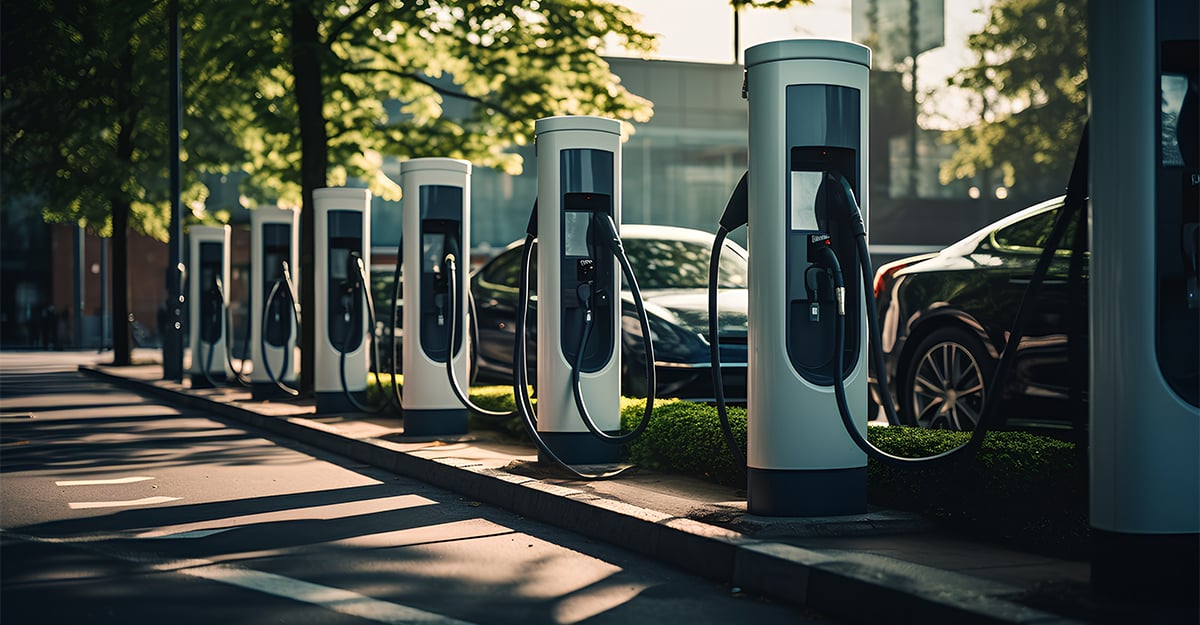
U.S. Department of Transportation Announces $623M in Grants for Electric Vehicle Infrastructure
On January 11, 2023, the Department of Transportation (DOT) announced $623M in grants to expand electric vehicle (EV) charging infrastructure. The grants are part of the Infrastructure Investment and Jobs Act’s Charging and Fueling Infrastructure Discretionary Grant Program and have been made available to fund 47 EV charging and alternative fueling infrastructure projects in 22 states and Puerto Rico. Ranging from $500,000 to about $68.3M, 36 of the grants were awarded to EV charging and hydrogen fueling “community” projects in rural and urban communities, while the remaining 11 grants were awarded to “corridor” projects focused on fueling along roadways to assist in establishing national EV charging and alternative fueling networks.
