

Members of Congress Propose a New Bill to Regulate Autonomous Vehicles
This week, U.S. Representatives Bob Latta and Debbie Dingell released the discussion draft of a new bill: the Safely Ensuring Lives Future Deployment and Research in Vehicle Evolution (SELF DRIVE) Act of 2026. This legislation, if enacted, would be the first federal statute dedicated to the safety of autonomous vehicles. It would have major implications for not only federal, but also state and local regulation. It would also raise some key legal questions and require federal regulators to promulgate a new federal motor vehicle safety standard very different from any of its predecessors. (more…)

Department of Transportation Proposes Dramatic Rollback of Corporate Average Fuel Economy (CAFE) Standards
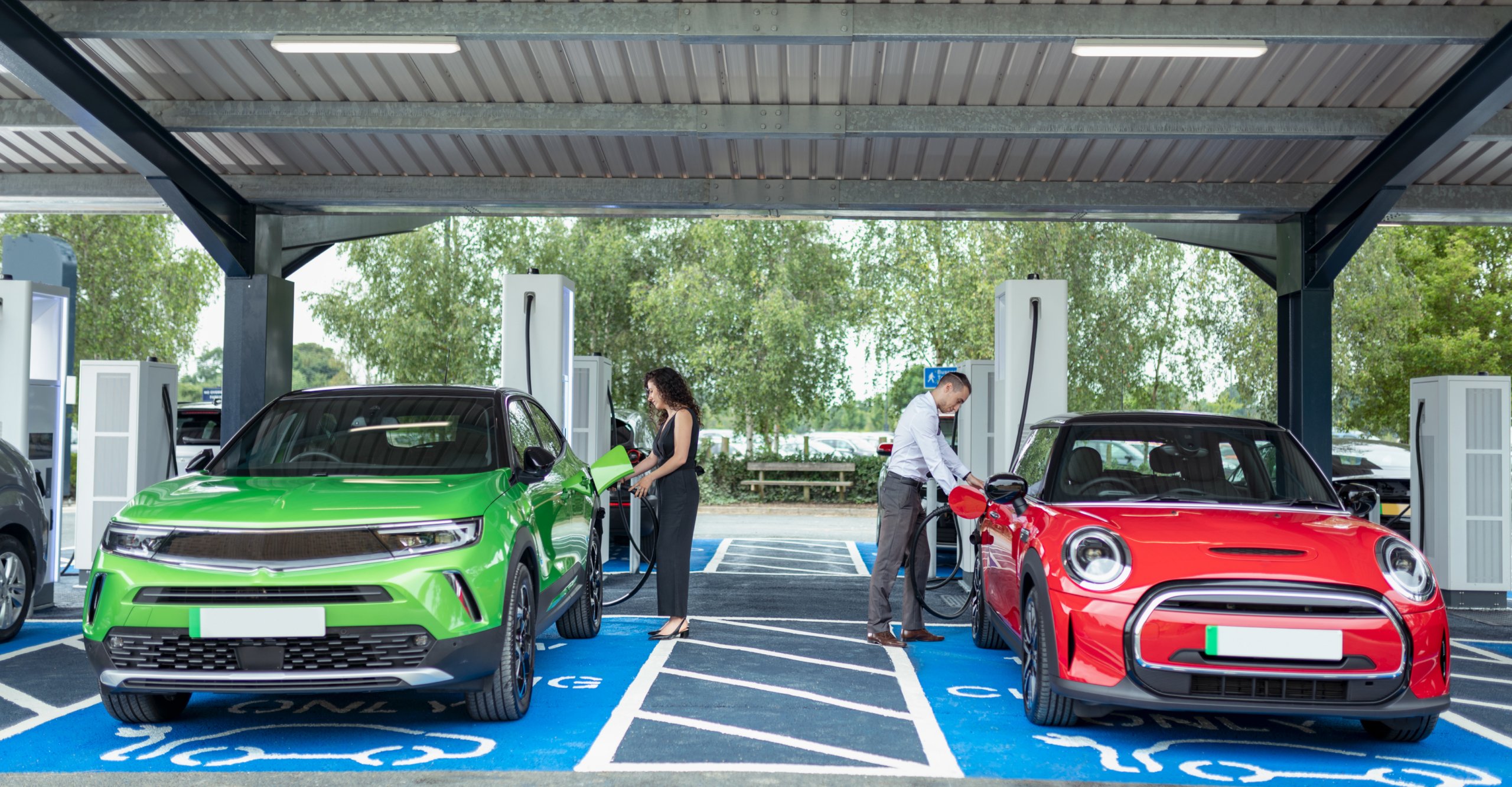
On December 3, in connection with a highly publicized announcement in the Oval Office and a statement from the White House, the Department of Transportation proposed a rulemaking that would reset Corporate Average Fuel Economy (CAFE) standards for passenger cars and light trucks sold in the United States for model years 2022-2031. Along with Congress’s recent elimination of civil penalties for CAFE noncompliance, the proposal would roll back more stringent fuel economy targets set in previous Administrations—including the first Trump Administration. The proposed changes have significant implications for, among other things, the electric vehicle market.
Open for Business: A Look at NHTSA Auto Safety Investigations in the Second Trump Administration
The second Trump administration has seen drastic changes in the enforcement practices of many federal regulatory agencies. One area where investigative activity continues to be robust is auto safety. The National Highway Traffic Safety Administration (NHTSA) has, in, recent months, been opening investigations at a brisk pace. Some of NHTSA’s work, particularly relating to autonomous operations and counterfeit equipment, has attracted substantial public attention. Other investigations have been more business as usual.
The Department of Transportation’s Spring 2025 Regulatory Agenda: Big Announcements on Autonomous Vehicles and Automatic Emergency Braking
On September 4, 2025 the National Highway Traffic Safety Administration (NHTSA) announced several planned rulemakings relating to autonomous driving systems as part of the Trump Administration’s Spring 2025 regulatory agenda. The Secretary of Transportation said: “The rules of the road need to be updated to fit the realities of the 21st century. Our changes will eliminate redundant requirements and bring us closer to a single national standard that spurs innovation and prioritizes safety.” The Department of Transportation’s regulatory agenda also has dozens of other items, including two notable actions on automatic emergency braking.


Congress Eliminates Corporate Average Fuel Economy (CAFE) Penalties for Passenger Cars and Light Trucks
In one of its many changes, the One Big Beautiful Bill Act, enacted on July 4, 2025, eliminated civil penalties for noncompliance with federal fuel economy standards. Specifically, Section 40006 of the Act amends the language of the Corporate Average Fuel Economy (CAFE) statute to reset the maximum civil penalty to $0.00. Although the statute and its implementing regulations otherwise remain in place, this amendment removes any civil penalties for producing passenger cars and light trucks that do not meet fuel economy requirements.

Agencies Collectively Move to Overhaul Environmental Review Regulations
On July 3, 2025, numerous federal agencies initiated an effort to revise the manner in which they comply with the National Environmental Policy Act (NEPA). NEPA, a cornerstone of environmental governance and project development in the U.S., has historically been implemented through regulations from the Council on Environmental Quality (CEQ). The DC Circuit questioned the legality of those regulations, as well as CEQ’s authority to implement them. And at the direction of President Trump’s February 25, 2025 Executive Order 14154 — “Unleashing American Energy” — CEQ rescinded its NEPA implementing regulations. In place, CEQ provided guidance for agencies that instructed them to update their NEPA procedures by February 2026 in a manner consistent with recent statutory amendments that prioritizes “efficiency and certainty over any other policy objectives.” Today, we are getting our first glimpse into what that process will look like.





Department of Transportation Announces a Streamlined Regulatory Exemption Process for Autonomous Vehicles
On June 13, the U.S. Department of Transportation (DOT) and the National Highway Traffic Safety Administration (NHTSA) announced changes to the process for exempting autonomous vehicle companies from the Federal Motor Vehicle Safety Standards (FMVSS) under 49 C.F.R. Part 555. Part 555 offers an important route for the sale and deployment of innovative autonomous vehicles. The recent announcement evidences a desire to speed up agency decisions on Part 555 exemptions, though the application process will continue to be a substantial undertaking.

Deregulatory Announcements at the U.S. Department of Transportation: A Sign of Bigger Things to Come?
On May 29, the U.S. Department of Transportation announced more than 50 deregulatory actions at the three operating administrations of the department that focus on road transportation: the Federal Highway Administration (FHWA), Federal Motor Carrier Safety Administration (FMCSA), and National Highway Traffic Safety Administration (NHTSA). The Secretary of Transportation was quoted as saying, “my department is slashing duplicative and outdated regulations that are unnecessarily burdensome, waste taxpayer dollars, and fail to ensure safety.”

NHTSA Adopts Rule Requiring Automatic Emergency Braking on Light Vehicles
On May 9, 2024, the National Highway Traffic Safety Administration (NHTSA) published a final rule adopting a Federal Motor Vehicle Safety Standard (FMVSS) that requires automatic emergency braking (AEB) systems in U.S. light vehicles and trucks by September 2029. The rule is required under the Bipartisan Infrastructure Law of 2021 (BIL), in which Congress directed NHTSA to establish FMVSS requirements for AEB systems as well as three other Level 2 advanced driver assistance systems (ADAS): lane departure warnings, lane-keeping assist, and forward collision warnings (FCW).


U.S. Department of Transportation Announces $623M in Grants for Electric Vehicle Infrastructure
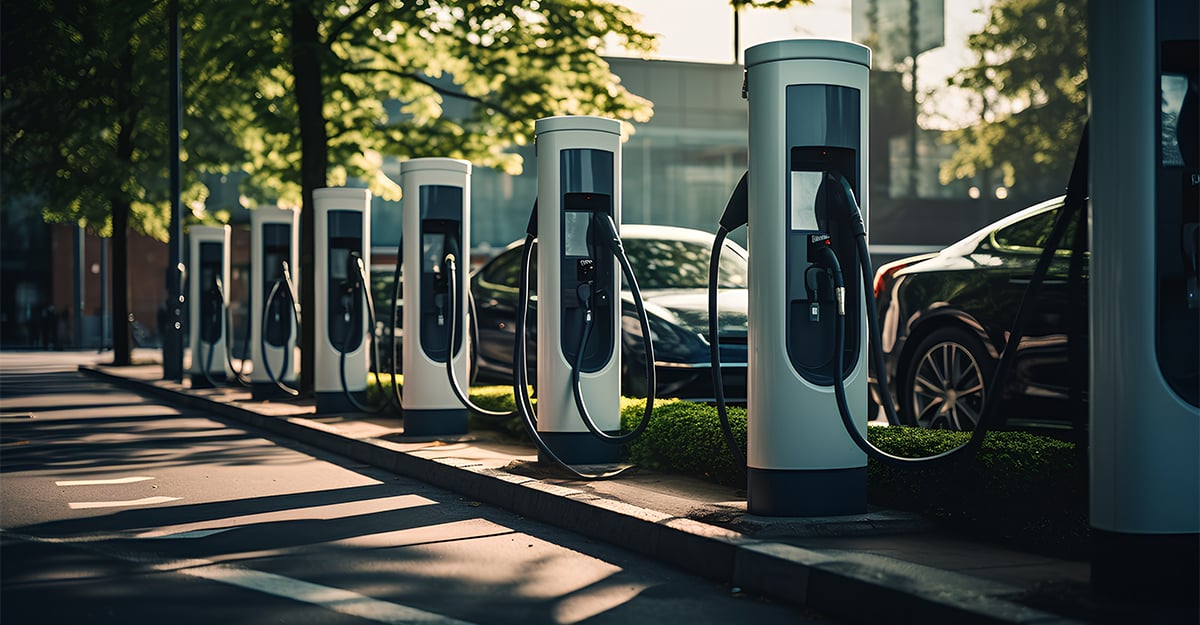
On January 11, 2023, the Department of Transportation (DOT) announced $623M in grants to expand electric vehicle (EV) charging infrastructure. The grants are part of the Infrastructure Investment and Jobs Act’s Charging and Fueling Infrastructure Discretionary Grant Program and have been made available to fund 47 EV charging and alternative fueling infrastructure projects in 22 states and Puerto Rico. Ranging from $500,000 to about $68.3M, 36 of the grants were awarded to EV charging and hydrogen fueling “community” projects in rural and urban communities, while the remaining 11 grants were awarded to “corridor” projects focused on fueling along roadways to assist in establishing national EV charging and alternative fueling networks.