
Data Centers Face Growing Environmental and Litigation Risks
The environmental regulatory and litigation landscape for data centers has shifted. In the past several weeks, states with significant existing or planned data center development have announced new requirements affecting environmental permitting, water use, backup generation, electricity demand, and local approvals. At the same time, environmental groups are increasing their litigation toolkits — primarily, through Clean Air Act citizen suits — to challenge data centers and the power generation supporting them.




New Guidance to Federal Agencies Adopting and Applying Categorical Exclusions to Environmental Review
In the latest attempt to unify federal agencies’ independent application of the National Environmental Policy Act (NEPA), the Council on Environmental Quality (CEQ) issued new guidance to federal agencies for establishing, revising, adopting, and applying NEPA categorical exclusions (CatEx or CatExes)—those “major federal actions” that do not “normally” significantly affect the quality of the human environment.


Bringing Data Centers to the Grid: FERC’s Emerging Large Load Framework
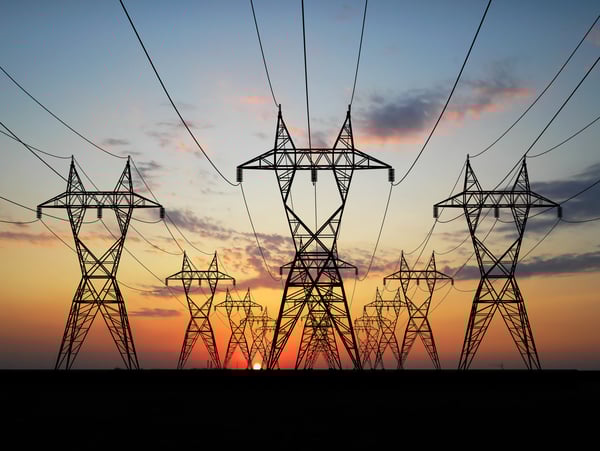
On October 23, 2025, Secretary of Energy Chris Wright directed the Federal Energy Regulatory Commission (FERC) to consider an Advance Notice of Proposed Rulemaking (ANOPR) to initiate rulemaking procedures to “ensure the timely and orderly interconnection of large loads to the transmission systems.” Under the ANOPR, “large loads” are defined as those with a capacity of 20 MW or more, aligning with the definition of “large generation sources” in FERC’s Order No. 2003.



Governors of PJM States Intensify Pressure on PJM for Reform
A bipartisan group of governors of PJM Interconnection (PJM) member states has intensified calls for reforming PJM after what they have described as a “crisis of confidence,” citing high electricity prices, interconnection delays, and lack of transparency and state participation in the RTO’s decision-making processes.


Interconnection Reform Critical to the Efficiency of Energy Markets
The U.S. power grid is undergoing a period of rapid change, with federal agencies such as the Department of Energy (DOE) and the Federal Energy Regulatory Commission (FERC) initiating programs and regulatory actions to address the integration of new generation and transmission resources. According to a recent DOE report, the U.S. grid is facing the retirement of 104 GW of firm capacity (generation that can operate continuously) by 2030, and the planned addition of 209 GW of new generation in the same period. The White House is concerned that the retirement of “baseload” power plants will impede President Trump’s economic goals; as such, press reports say that the administration is expected to issue new emergency orders preventing fossil fuel plants from retiring.




Preferred Equity: A Capital Solution to Meet the Looming “PIS” Deadline
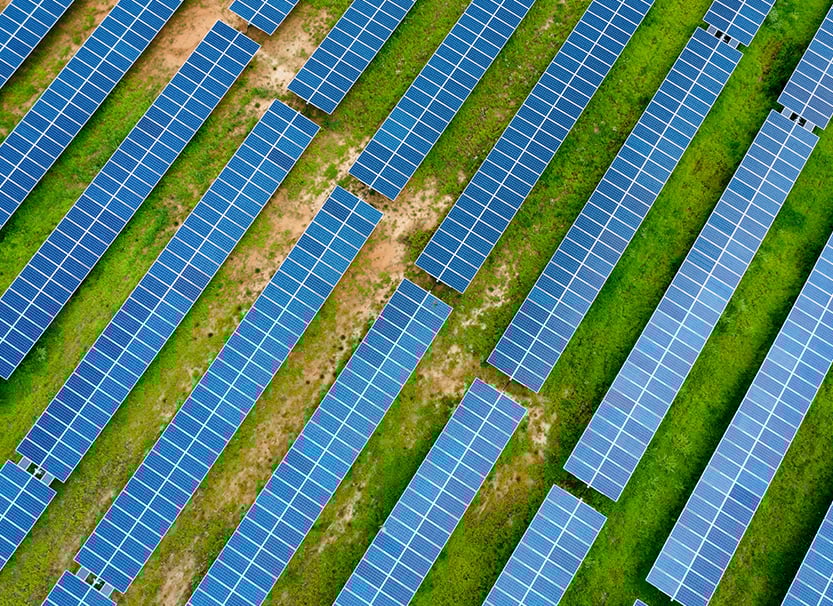
The One Big Beautiful Bill Act signed into law by President Trump on July 4, 2025 (the “OBBBA”) terminates the Section 45Y Clean Electricity Production Tax Credit (the “45Y PTC”) and Section 48E Clean Electricity Investment Tax Credit (the “48E ITC”) for wind and solar facilities that are placed in service (“PIS”) after December 31, 2027, except for those projects that begin construction by July 4, 2026. This significantly accelerates the timeline for sponsors and investors to bring projects online in order to maintain profitability of the project via tax credit sales.



U.S. Department of Energy: U.S. Grid Faces Urgent Reliability Challenges Amid AI-Driven Load Growth and Plant Retirements
A new report by the U.S. Department of Energy provides a comprehensive assessment of the adequacy and reliability of the U.S. electric grid and warns that without urgent reforms and investment, the U.S. electric grid will be unable to support the nation’s economic ambitions, particularly in artificial intelligence (“AI”) and digital infrastructure. The report responds to recent executive orders emphasizing the need for a uniform, data-driven approach to evaluating grid reliability, particularly in the face of accelerating power plant retirements and surging electricity demand from data centers and AI applications.



New York, New England ISOs File Tariff Amendments at FERC to Allow Them to Collect Import Duties on Canadian Electricity — But Only If the Feds Say So
On February 28, 2025, the New York Independent System Operator, Inc. (“NYISO”) and ISO New England (“ISONE”) separately submitted requests to the Federal Energy Regulatory Commission (“FERC”) for expedited action on amendments to their FERC-approved tariffs that would allow them to recover the costs of any duties, tariffs, or taxes imposed on them by a federal agency on the import of electricity from Canada into their respective service territories.
