

The Limits of OSHA’s Reach: 5th Circuit Applies Loper Bright to Invalidate an OSHA Regulation
Two years after the Supreme Court overturned Chevron deference in Loper Bright Enterprises v. Raimondo, the Fifth Circuit has given employers an early example of how the new framework may reshape OSHA enforcement. In Exxon Mobil Corp. v. Occupational Safety and Health Review Commission, decided July 21, 2026, the Fifth Circuit held that Section 8 of the Occupational Safety and Health Act (OSH Act), 29 U.S.C. § 657(c)(2), does not authorize OSHA to require employers to record work-related mental illnesses. As a remedy, the Fifth Circuit set aside the citation and penalty and vacated OSHA’s recordkeeping regulation covering mental illnesses, 29 C.F.R. § 1904.5(b)(2)(ix). More broadly, the Fifth Circuit explained that Congress delegated only limited authority to OSHA via the OSH Act, allowing the agency to create rules governing physical work-related injuries and illnesses under Section 8 of the OSH Act—and not other topics such as mental illness.



In Landmark TSCA Decision, Fifth Circuit Vacates EPA’s Methylene Chloride Rule, Limits EPA’s Interpretation of “Unreasonable Risk”
On September 15, 2026, a unanimous panel of the U.S. Court of Appeals for the Fifth Circuit vacated the EPA’s 2024 risk management rule for methylene chloride and the unreasonable-risk determination underlying it. East Fork Enterprises, Inc. v. EPA, Nos. 24-60227 & 24-60256 (5th Cir. Sept. 15, 2026). The Court granted the industry petitioners’ petition for review, denied Sierra Club’s separate challenge seeking more stringent regulation, and remanded the matter to the EPA.





OSHA Schedules Public Hearings on Deregulatory Proposals
The Occupational Safety and Health Administration (OSHA) has scheduled several informal public hearings on more than 20 deregulatory rulemaking proposals that OSHA released last summer, along with a recent proposal addressing compliance deadlines under OSHA’s Walking-Working Surfaces standard. Together, these proposals reach standards that touch employers across a wide range of industries. Stakeholders who want to shape the outcome have a narrow window to act. These virtual hearings kick off beginning Wednesday, August 19, 2026, at 9:30 a.m. EST.
The proposals fit under the administration’s Executive Order 14192 on “Unleashing Prosperity Through Deregulation” and the U.S. Department of Labor’s related deregulatory initiative. OSHA describes its overarching goal as modernizing workplace safety standards, reducing compliance burdens, and increasing flexibility across industries.
Hot Off the Press: What Employers Should Know About OSHA’s Updated National Emphasis Program for Heat Illness
The Occupational Safety and Health Administration has revised its National Emphasis Program (NEP) for heat, removing a specific inspection-growth target that had been part of the initiative when the Program first launched back in 2022. In OSHA’s April 10, 2026 news release, it announced that the revised directive took effect immediately and will remain in place for five years. OSHA made a few changes to the Program, including removing outdated background information, updating Program links, and reorganizing appendices addressing heat program evaluation and citation guidance.
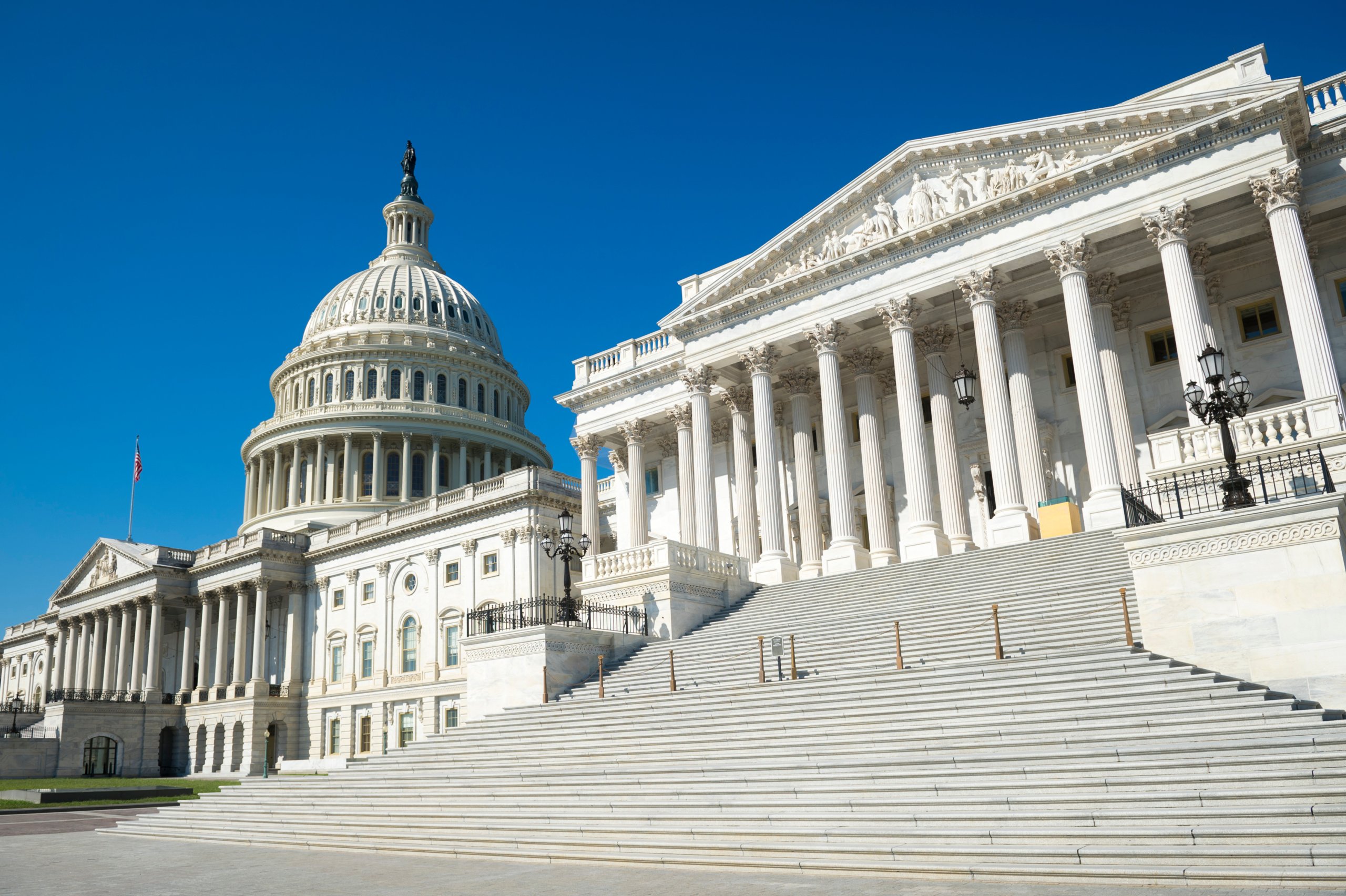
Congress Signals Changes to EPA-OSHA Coordination for Chemical Safety Regulation in 2026 Spending Package
As part of the 2026 appropriations package, on January 6, 2026, the U.S. House and Senate Committees on Appropriations issued a joint statement outlining several procedural changes they are seeking for the U.S. EPA’s regulation of toxic chemical substances. The appropriations bill passed in the House last week, and is now pending before the Senate.

OSHA Updates Site-Specific Targeting Program Based on Injury/Illness Rates: What Employers Should Know
On May 20, 2025, the U.S. Department of Labor’s Occupational Safety and Health Administration (OSHA) announced an updated directive to its Site-Specific Targeting (SST) inspection program. This program is OSHA’s primary mechanism for scheduling planned inspections at non-construction establishments with 20 or more employees.